

Using AI to Personalize Client Resources Without Losing the Human Touch
Because Cookie-Cutter Content Just Doesn’t Cut It

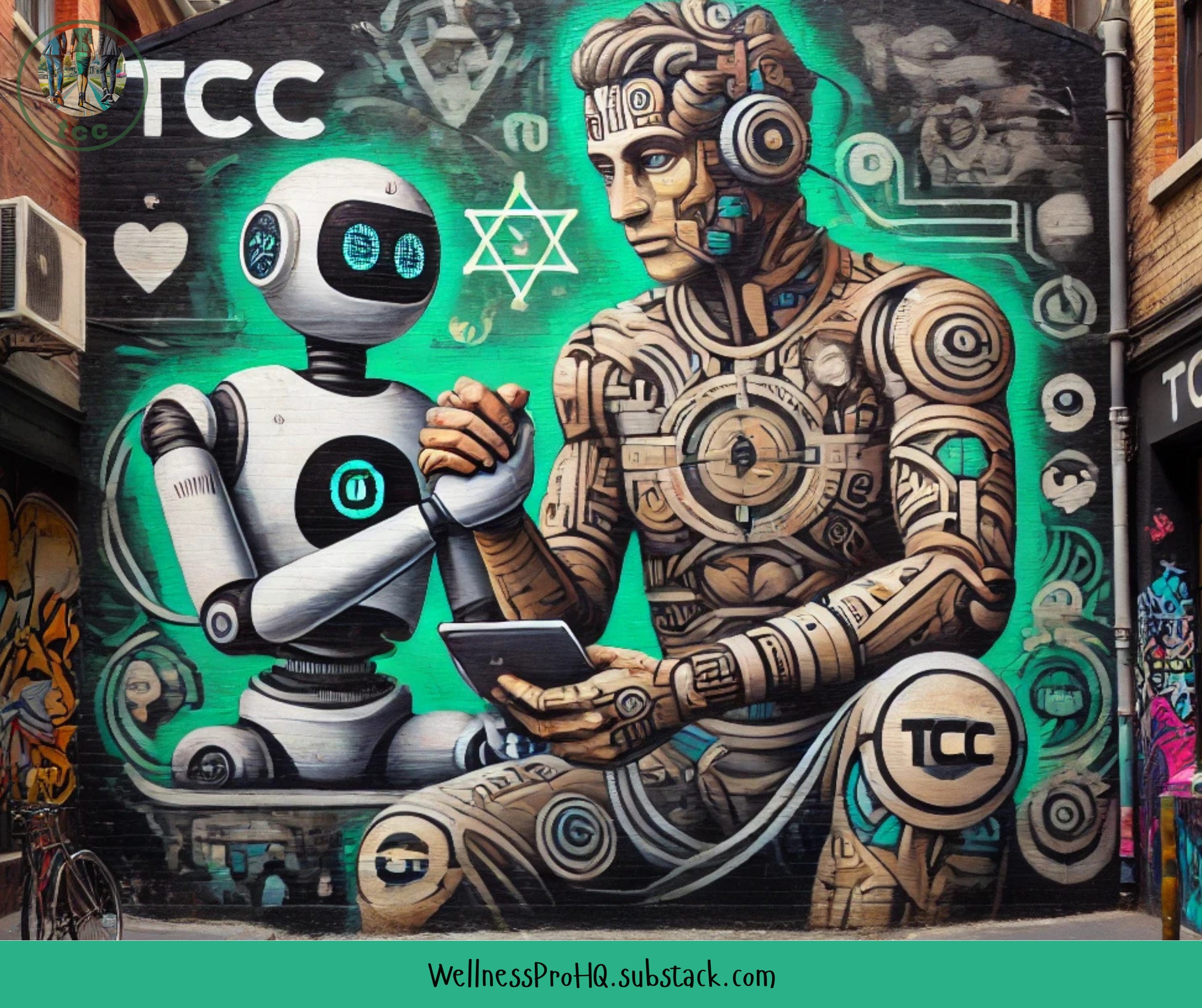
AI Won’t Replace You—But It Can Help You Show Up Better
The wellness industry thrives on human connection. Every breakthrough, every moment of trust, every shift in perspective happens because you are there—listening, guiding, and supporting.
So the idea of bringing AI into that space?
It might feel… off.
Maybe you’re wondering:
Will AI make my work feel cold and impersonal?
Will clients trust me if I use automation?
Is AI going to replace the real, human touch that makes this work so meaningful?
These are valid concerns.
But here’s the truth:
AI isn’t here to replace you—it’s here to amplify what you do best.
Used strategically, AI can free you from the repetitive, time-consuming tasks that drain your energy, so you can focus more on what actually matters—your clients.
Let’s break down how to integrate AI into your workflow in a way that enhances connection, not replaces it.
Step 1: Use AI to Automate Tasks—Not Relationships
AI works best when it eliminates admin clutter, not human connection.
Think about all the small, repetitive tasks that pull you away from your clients:
Scheduling and sending reminders
Writing and organizing session notes
Delivering follow-up resources
Tracking client progress
These are perfect areas for AI to step in.
Consider the therapist who used to manually send appointment reminders now automates confirmations and follow-ups. Clients still receive personalized messages, but now it takes seconds, not hours.
Another example?
A wellness coach uses AI-generated summaries to track client progress between sessions. Instead of scrambling for notes, they start each session with clear insights—allowing for deeper, more focused conversations.
How to start:
Pick one admin task that eats up your time.
Test an AI tool (like Calendly for scheduling or Otter.ai for transcription).
Check in after a month—is it saving you time while maintaining quality?
AI removes busywork, so you can show up more present, more prepared, and more engaged.
Step 2: Be Transparent—AI + Trust Go Hand in Hand
One of the biggest fears about AI? That clients will feel like they’re talking to a bot instead of a real person.
The solution?
Honesty.
People don’t mind AI if they know why you’re using it—especially when it’s designed to support their care, not replace it.
As an example, a psychologist using AI for post-session summaries included a note in their intake form explaining how the tool helps keep track of client insights—ensuring nothing important gets lost.
Clients didn’t feel disconnected. They felt valued.
How to apply this in your practice:
Let clients know when AI is used and why. Example: “I use AI to organize session notes, so I can focus fully on you instead of typing during our session.”
Keep human touchpoints. If AI sends an automated email, follow up with a personal message when needed.
Use AI to enhance, not replace. Think of it as your assistant, not your substitute.
Transparency creates trust. Clients appreciate AI when they know it’s used to improve their care—not take the place of real connection.
Step 3: Balance Automation with Authenticity
AI is fast, scalable, and efficient.
But you are what makes your work meaningful.
That’s why the sweet spot is blending automation with real human moments.
How to Balance AI + Authenticity:
Personalize messages even when using automation (e.g., “Hey [Client’s Name], I saw you completed your latest journal prompt—amazing work!”).
Use AI to track progress, but make adjustments based on real conversations.
Automate educational resources, but add personal reflections when sharing them.
Take for example, the wellness coach who automated weekly progress check-ins but still customized responses based on each client’s journey.
The result?
More efficiency, more impact, and deeper engagement.
AI saves time, but it’s your human insight that makes it powerful.
AI Should Work for You—Not the Other Way Around
AI isn’t here to replace you.
It’s here to give you back time, energy, and focus—so you can be fully present where it matters most.
Key Takeaways:
Use AI to eliminate busywork, not human relationships.
Be transparent about when and why you use AI—it builds trust.
Balance automation with authenticity—your personal touch is what makes AI truly effective.
Start small.
Automate one task.
See how it frees up your energy—without losing connection.